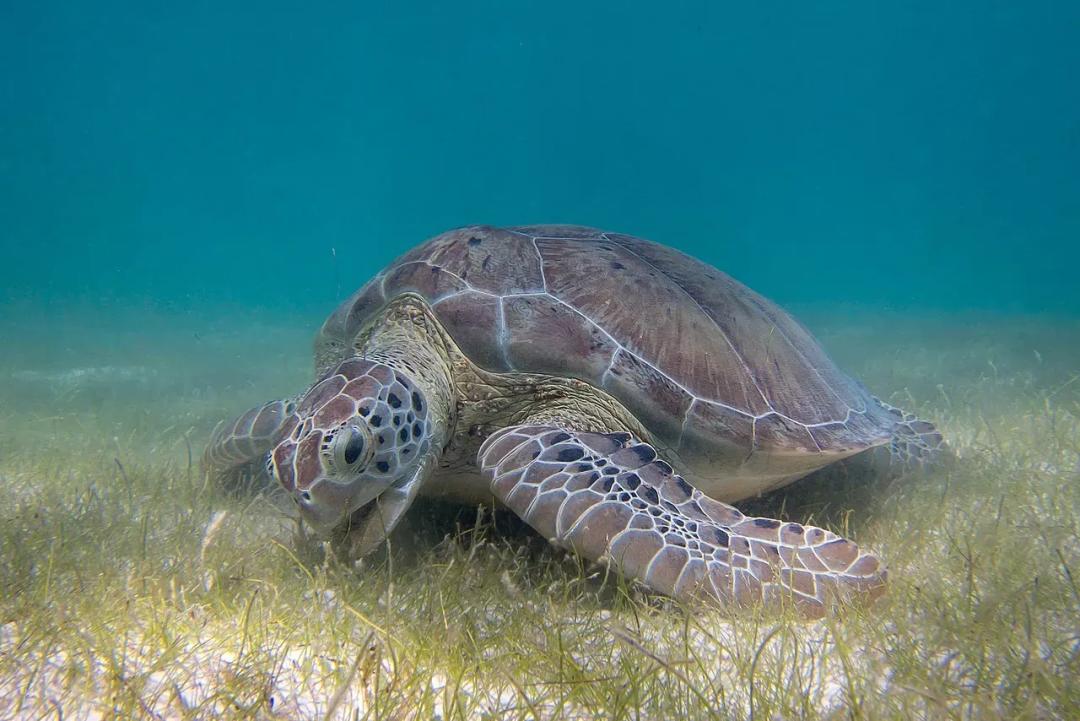
Have you ever wondered about the unsung heroes of our oceans, silently contributing to the planet's health and supporting marine life? If you're intrigued, let's dive beneath the waves and talk about the marine meadows known as seagrasses. These submerged savannahs are an important member of the marine food chain, providing oxygen, removing carbon dioxide, and offering habitat for various marine species. However, a new Stanford study warns that these vital ecosystems may be at risk due to climate change.
The Role of Seagrasses in Marine Life
Seagrasses, ancient plants that moved from the ocean to land and then back to the sea roughly 140 million years ago, cover approximately 116,000 square miles of coastline across 191 countries, excluding Antarctica. From endangered green sea turtles to manatees and parrotfish, these underwater meadows provide grazing grounds for a multitude of herbivores.
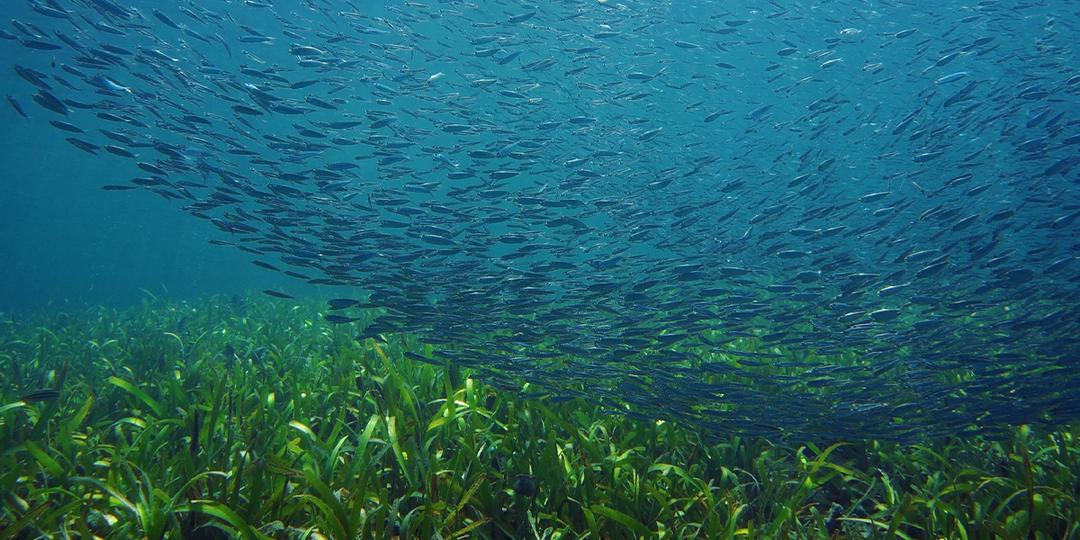
Seagrasses also shelter shrimp, marine invertebrates, and fish, acting as nurseries for nearly 20% of the world's large commercial fisheries. The survival of many marine organisms, both directly and indirectly, is linked to these seagrasses. If anything happens to these foundational species at the start of the food chain, it will lead to cascading effects on other organisms up the food chain, including us humans. And guess what's posing a threat? It's climate change.
Impact of Climate Change on Seagrasses
The Stanford study used an impressive methodology to predict the future of seagrasses worldwide. They mapped the location and abundance of each seagrass species using about a century's worth of seagrass samples, combined with field data and information from public databases. They then created global "snapshots" representing the ocean's climate today and how it might be in 2040-2050 and 2090-2100. In these scenarios, factors like sea temperature, salinity, and sea current speed, which significantly influence seagrass growth and distribution, were considered.
The findings were sobering. The study revealed that seagrasses would face widespread reductions in species diversity and composition under every scenario, even the "best case". It indicates that the current network of marine protected areas is insufficient. When ecosystems lose their diversity and uniqueness, they become more susceptible to disease and extreme weather events. It can impact the ecosystem services provided by these communities and the marine life that depends on them. Marine animals that specialise in certain seagrasses might have to adapt or relocate if their preferred seagrass is lost, reducing their fitness and survival.
Looking to the Future: Conservation Efforts
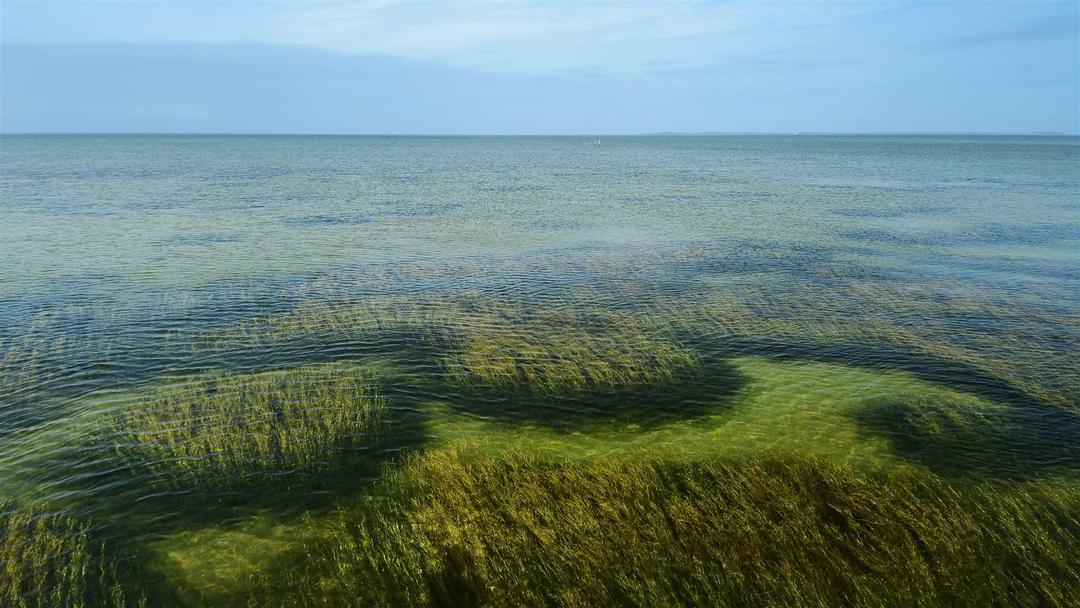
Despite these worrying findings, it's not all doom and gloom. The study pointed out hotspots of change in species diversity and phylogenetic diversity as priority areas for conservation efforts. The researchers hope that by guiding policymakers and conservationists to focus on these hotspots, marine protection will be increased in these areas, ensuring the future of seagrasses to some extent.
Conclusion
The impact of climate change on our oceans, particularly on seagrass meadows, is far from negligible. However, armed with knowledge and a proactive approach, we can still make a difference. Let's dive into action and protect these unsung heroes of the ocean!
Test your General Knowledge! Visit:
https://www.quizzop.com/general-knowledge-quiz/category