True crime documentaries continue to captivate audiences, offering opportunities to revisit infamous cases with fresh perspectives. Netflix’s latest docuseries, Cold Case: Who Killed JonBenét Ramsey, delves deep into one of America’s most haunting unsolved cases—the tragic murder of six-year-old JonBenét Ramsey in 1996. This series stands out not for offering closure but for shedding light on overlooked details and challenging long-held assumptions.
The Story: A Murder That Stopped a Nation
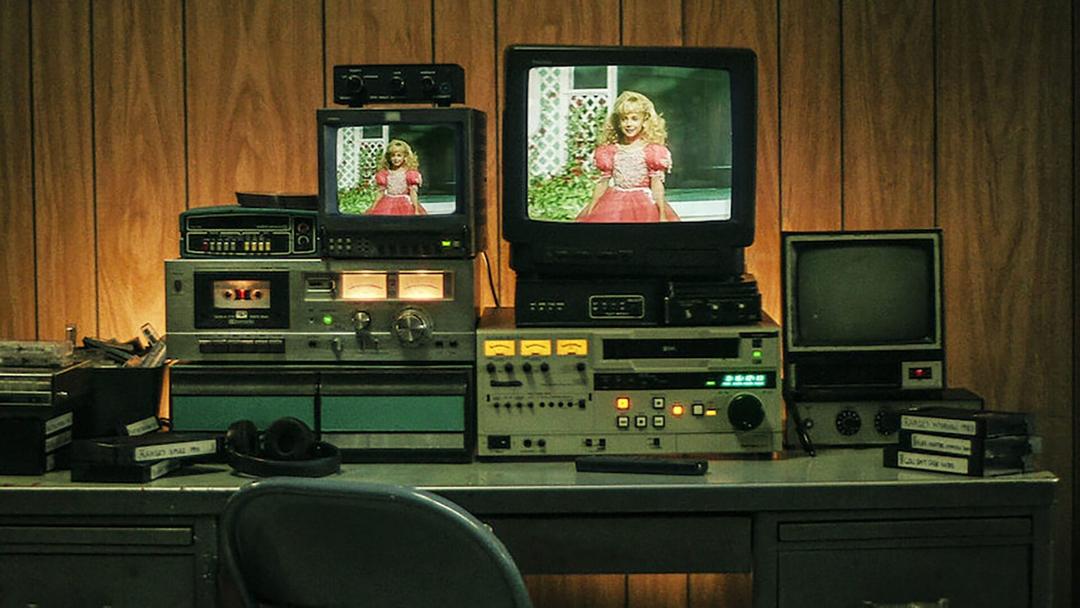
The series sets the stage with a desk strewn with tabloid newspapers, a symbolic representation of the relentless media coverage the case attracted. Flickering televisions play archived footage from the late 1990s, recalling a time when the nation was glued to every update. From the outset, Cold Case: Who Killed JonBenét Ramsey promises more than just a rehash—it aims to offer clarity on a case clouded by controversy and speculation.
Directed by Joe Berlinger, this three-part docuseries chronicles the murder of JonBenét Ramsey, whose lifeless body was discovered in the basement of her Boulder, Colorado home hours after she was reported missing. The tragic event, occurring on December 26, 1996, became a cultural flashpoint due to JonBenét’s involvement in child beauty pageants. Photographs and videos of her dressed in elaborate costumes and makeup only fueled the media frenzy.
What followed was an intense and often misleading public narrative. Suspicion quickly fell on her parents, John and Patsy Ramsey, and even her then-9-year-old brother Burke. Despite the passage of nearly three decades, the case remains unsolved, a chilling reminder of investigative failures and media sensationalism.
The Investigation: A Trail of Missteps

One of the series' most compelling aspects is its exploration of the investigative failures that marred the case from the beginning. Boulder Police Department’s inexperience with major homicides played a significant role. JonBenét’s death was the city’s first homicide in 1996, a stark indicator of the department’s lack of preparation. The most glaring oversight was the failure to thoroughly search the Ramsey home. Hours after investigators arrived, it was John Ramsey, not the police, who discovered JonBenét’s body in the basement, compromising a crime scene that should have been meticulously preserved.
Through interviews with former members of the Boulder Police Department and journalists who covered the case, the series highlights these procedural errors. The mishandling of evidence, failure to secure the scene, and premature conclusions severely impacted the investigation’s credibility. These missteps are not just historical footnotes—they underscore the systemic failures that still hinder the pursuit of justice.
The DNA Revelation: A Missed Opportunity
A pivotal moment in the first episode reveals that DNA evidence collected from JonBenét’s body did not match any members of her family. Yet, this crucial information was withheld from the media and even the district attorney at the time. This raises troubling questions: Did law enforcement deliberately withhold this evidence to maintain the narrative implicating the Ramsey family? Or was it another example of the case’s mishandling?
The DNA revelation casts doubt on the assumptions that dominated public opinion for years. While suspicion of the Ramsey family has waned over time, the stigma and trauma they endured remain central to the story.
A Balanced Narrative: Giving the Ramseys a Voice
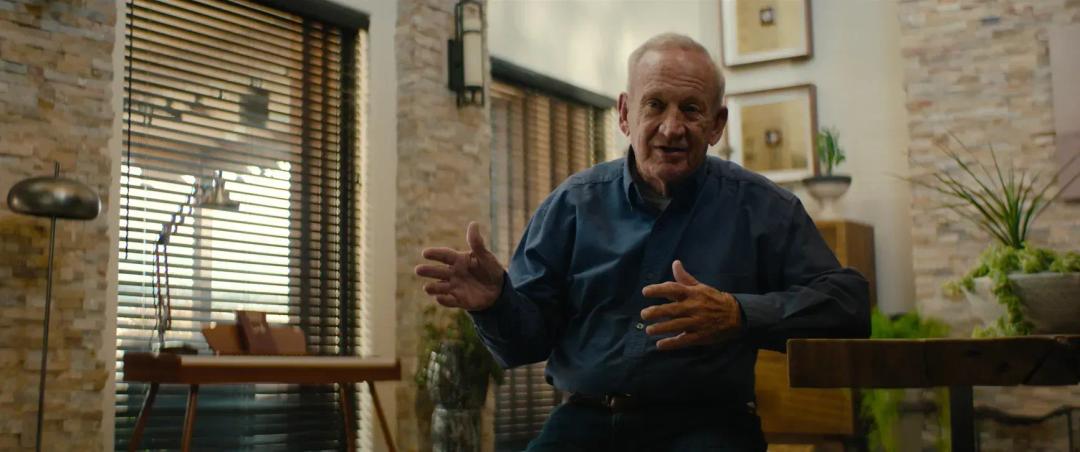
Unlike the heavily biased media coverage of the late 1990s, the docuseries strives for balance. John Ramsey provides candid interviews, reflecting on the unimaginable pain of losing a child while being vilified by the public. Archival footage of Patsy Ramsey, who passed away in 2006 after a battle with cancer, adds emotional weight to the narrative. The series portrays them not just as suspects but as grieving parents navigating a media storm that often prioritized sensationalism over truth.
John Andrew Ramsey, JonBenét’s older half-brother, emerges as a poignant voice in the series. His reflections on the family’s struggles during the 1990s, including the loss of his sister Elizabeth in a car accident, offer a unique perspective. These personal accounts humanize a family that was too often reduced to caricatures in the court of public opinion.
The Role of Media: Fueling Speculation and Misinformation
The series does not shy away from critiquing the media’s role in shaping public perception of the case. Sensational headlines and relentless coverage focused disproportionately on JonBenét’s pageant involvement, framing her as a “painted doll” and her parents as overly ambitious. This narrative overshadowed critical aspects of the case, such as the forensic evidence and investigative failures.
Through interviews with journalists who reported on the case, the series examines how media outlets capitalized on the public’s fascination with the Ramseys. This sensationalism not only distorted the truth but also contributed to a culture of judgment and speculation that persists to this day.
Familiar Yet Fresh: A Berlinger Signature
Fans of Joe Berlinger’s previous work, such as the Crime Scene series, will recognize his methodical approach in Cold Case: Who Killed JonBenét Ramsey. While some viewers may question whether the docuseries offers new information, it succeeds in reframing the case. By focusing on overlooked details and challenging entrenched narratives, it provides a more comprehensive understanding of the events surrounding JonBenét’s murder. Here are Memorable Moments and Insights:
- The Basement Discovery: The chilling detail of John Ramsey carrying his daughter’s body upstairs—a moment that irrevocably altered the investigation—remains one of the case’s most haunting aspects.
- Expert Commentary: Forensic and legal experts dissect key evidence, shedding light on gaps in the investigation and pointing to areas where progress could still be made.
- Lingering Questions: The series leaves viewers pondering critical unanswered questions, such as the origins of the DNA evidence and the identity of the real perpetrator.
The docuseries excels in its balanced portrayal of the Ramsey family and its critique of institutional failures. However, certain elements—such as graphic images of evidence—may feel unnecessary or excessive for some viewers. Striking a balance between thoroughness and sensitivity is crucial in true crime storytelling, and while Cold Case generally succeeds, there are moments where it stumbles.
The ultimate goal of any true crime investigation is justice. By revisiting the JonBenét Ramsey case with a fresh lens, the docuseries underscores the importance of accountability—not just for law enforcement but for the media and society as a whole. The case remains a sobering reminder of the consequences of rushing to judgment and the long-lasting impact of unresolved tragedies.
Conclusion
Netflix’s Cold Case: Who Killed JonBenét Ramsey stands as a compelling exploration of one of America’s most enduring mysteries. By combining detailed analysis, personal testimonies, and a critique of investigative and media practices, the series offers viewers a richer understanding of the case. While it may not provide definitive answers, it reignites hope that the truth about JonBenét’s murder could still come to light. For anyone seeking to revisit this haunting case or understand its broader implications, this docuseries is a must-watch. Stream it, and join the conversation about a case that continues to captivate and confound.
Test your General Knowledge! Visit:
https://www.quizzop.com/general-knowledge-quiz/category